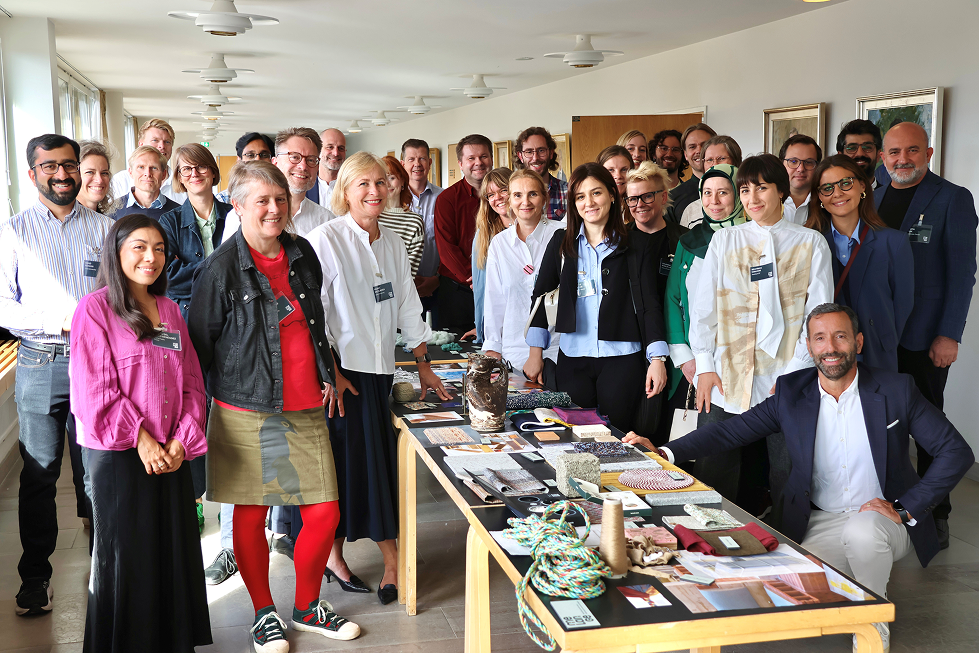
Led by Aalto University, the MELANGE consortium is EU-wide and covering the whole textile value chain.
ABOUT US
Colour is one of the most resource-intensive stages in textile production. Conventionally, colour is applied at the end of the manufacturing process to achieve replicability and uniformity, at significant costs in water, energy, and chemicals.
This pursuit of perfection and unachievable standards of uniformity in fibres, yarns, and fabrics is a key challenge to textile circularity.
The MELANGE project reframes colour variation as an opportunity rather than a defect. By shifting key design decisions to the start of the supply chain and advancing low-impact, fibre-stage colouration technologies, MELANGE demonstrates the power of design to shape new, more sustainable approaches to colour.
As a textile term, melange refers to yarns and fabrics made from different coloured fibres.
Changing textile colour:
from fibre to policy
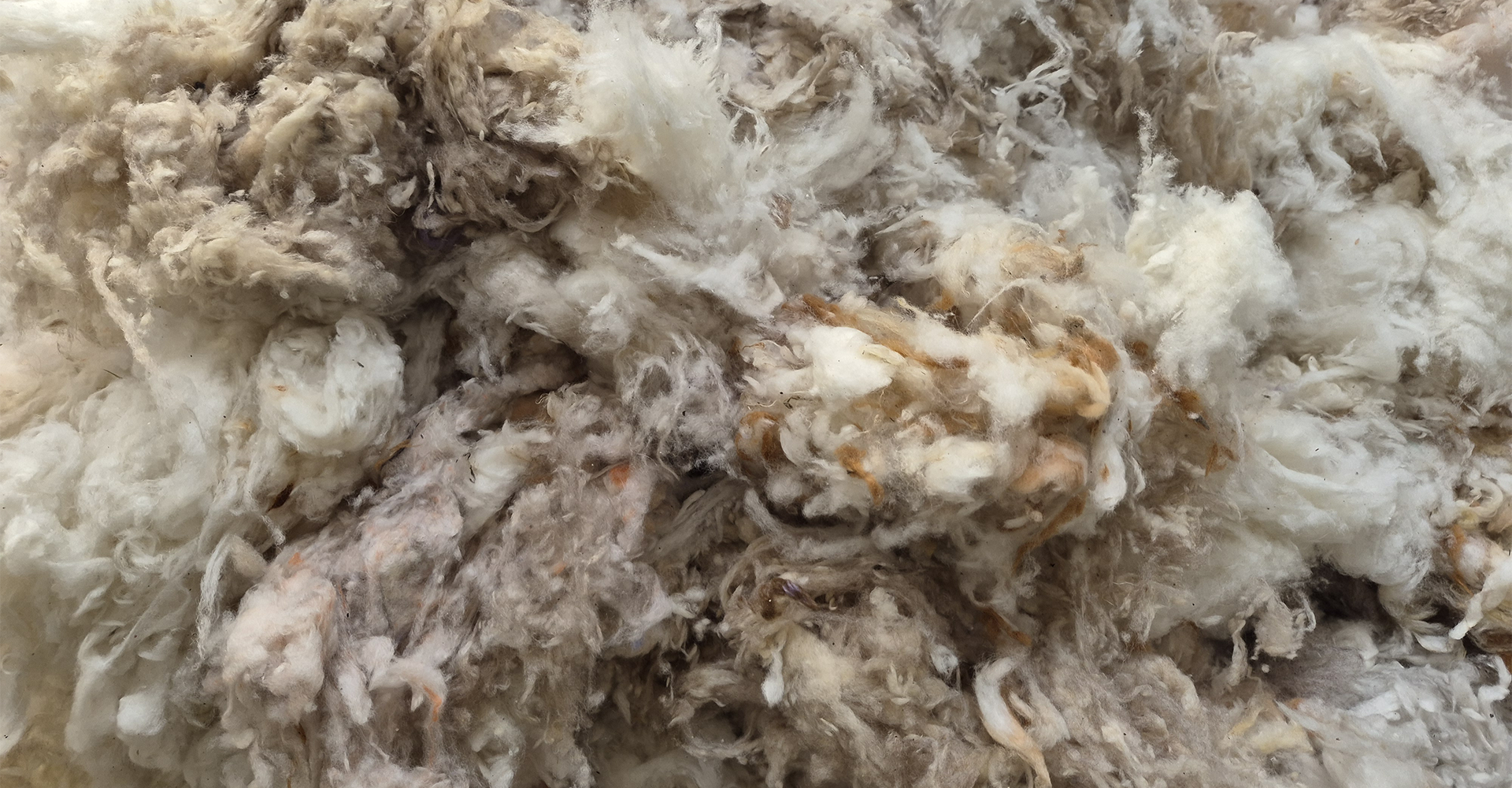
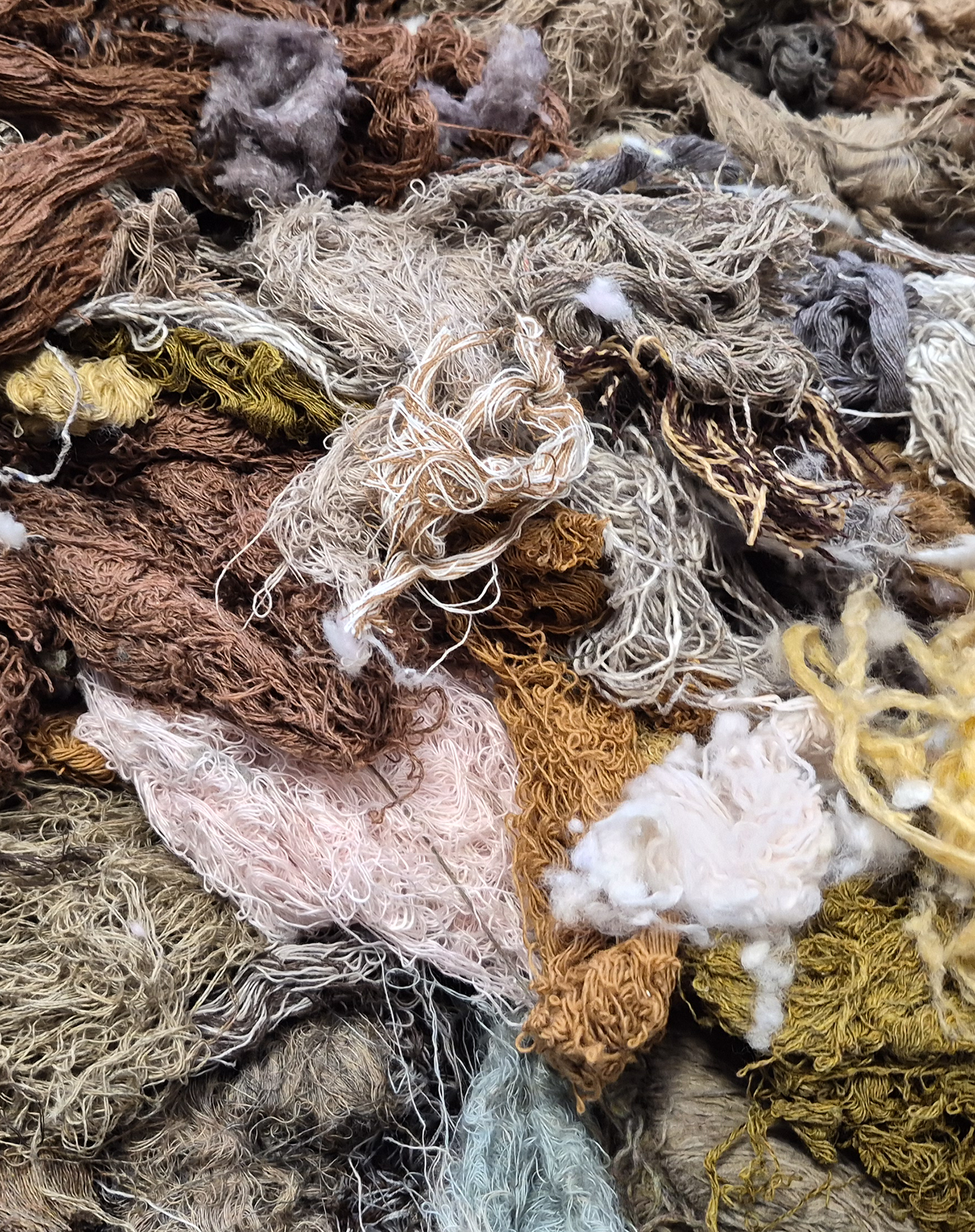
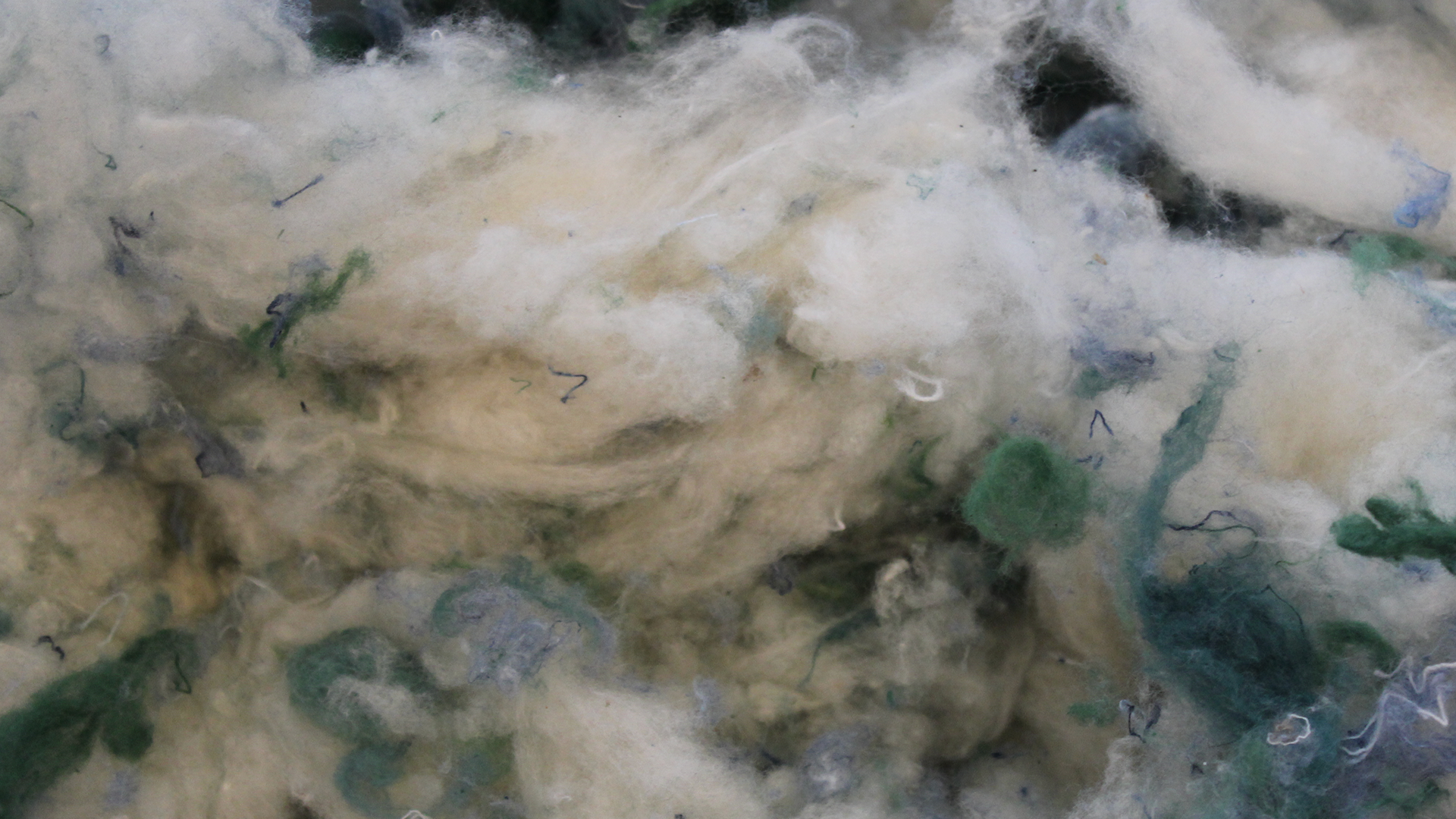
Since the 1950s, Prato's wool-recycling district in Tuscany, Italy, has sorted and blended pre-coloured recycled fibres by shade, preserving natural colour and avoiding re-dyeing, while embracing the resulting variation as a valued aesthetic. MELANGE studies and scales this proven practice to other fibre types across the industry.
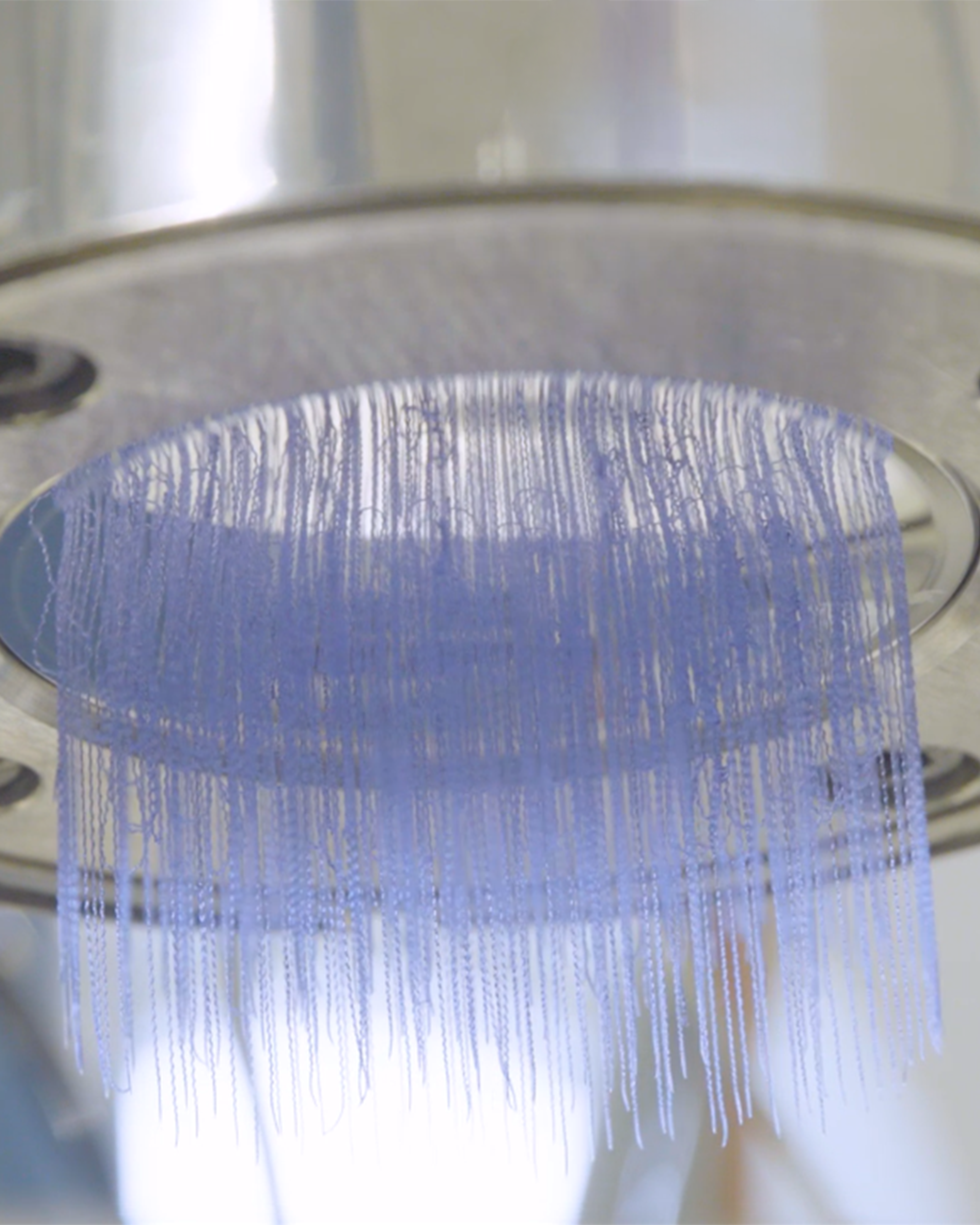
MELANGE positions fibre-stage colouration as an alternative to conventional, resource-heavy finishing processes, a shift that can reduce water and chemical use by up to 50%. By moving colouration upstream in the textile value chain, these approaches can help shift the industry from water-intensive post-production dyeing towards more resource-efficient fibre production, opening the way for policy and investment to accelerate the uptake of low-impact colouration technologies.
Recycled and naturally-coloured fibres don't come out perfectly uniform, which usually clashes with how today’s products are designed. MELANGE treats material and product design as one connected process, turning colour variation into a desirable, one-of-a-kind feature instead of a flaw.
Overcome the barriers to change
Through its "design locks" framework, MELANGE identifies four key barriers to more sustainable and circular textiles.
Unlocking these locks means establishing B2B acceptance of aesthetic colour non-replicability in commercial contexts. By bringing together expertise across design, innovation, production, materials, sustainability and business, MELANGE develops practical solutions to overcome these barriers, and supports more responsible textile production.
Aesthetics
a culture of uniformity treats natural colour variation as a flaw, not a value
Business models
models built on high minimum order quantities and cost efficiency, with sustainability an afterthought
Production practices
a system postpones colour decisions to the finishing stage, the industry's highest-impact step
Policies
regulatory gaps leave colouration's environmental impact largely unaddressed in EU textile policy
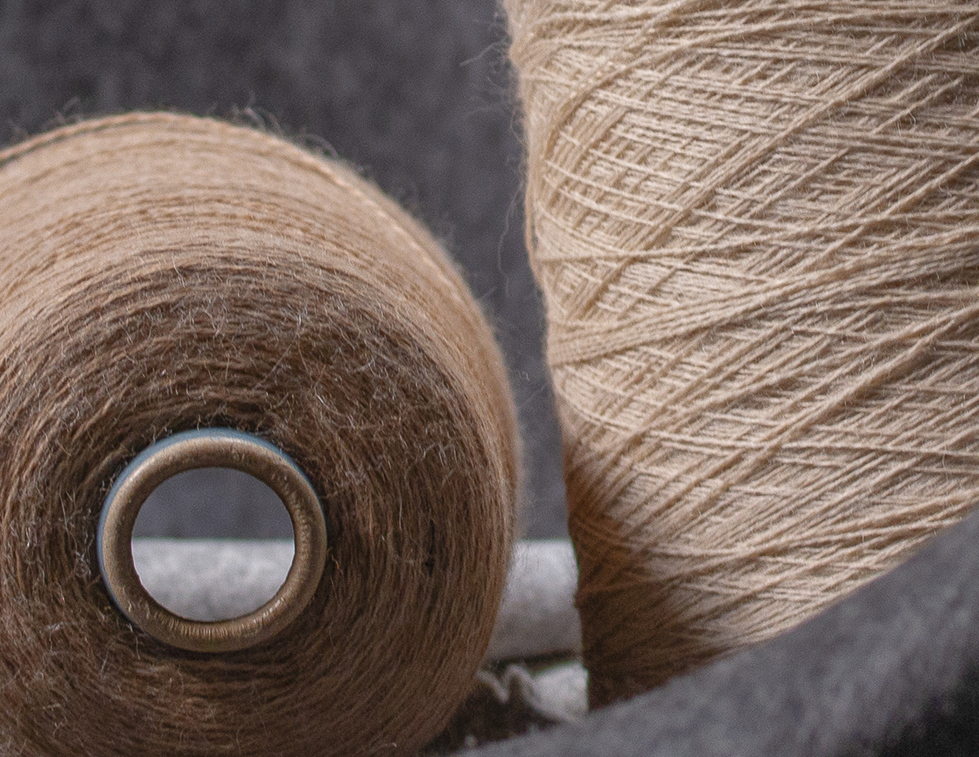
Equip designers and industry with the MELANGE framework
MELANGE develops a comprehensive set of guidelines for design, aesthetics, production, and business models, helping designers and decision-makers transition away from harmful practices.
Inform policy for a circular textile system
MELANGE generates research-based knowledge and actionable recommendations to help policymakers align legislation with circular and environmentally responsible textile systems.
“MELANGE – Transforming colouration practices in the interior textile industry by unlocking the power of design to drive sustainable competitiveness” is a Horizon Europe Research and Innovation Action, funded under HORIZON-CL2-2025-01-HERITAGE-06 – "Europe as a global powerhouse of design for sustainable competitiveness." The project receives €4M in funding under the grant agreement No. 101288712.